A price point is the price a product sells at, seen against competing prices. See retail examples, the opening price point, and how to set and test yours.

A price point is the price a product sells at, seen against competing prices. See retail examples, the opening price point, and how to set and test yours.
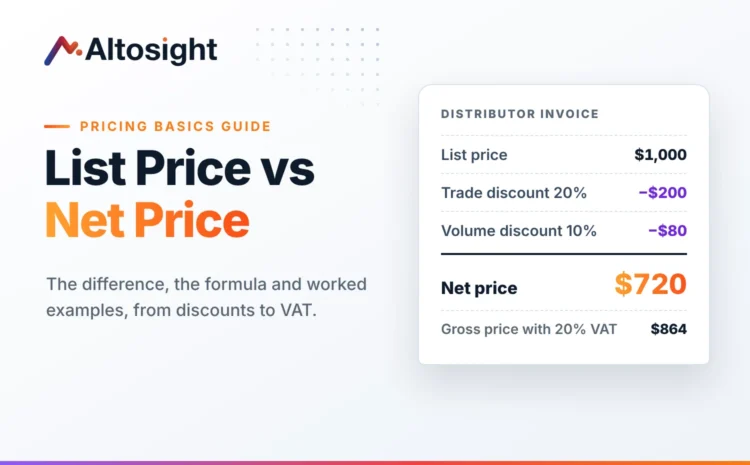
List price is the published price before discounts; net price is what the buyer pays after them. Formulas, chain discounts, VAT and worked examples.
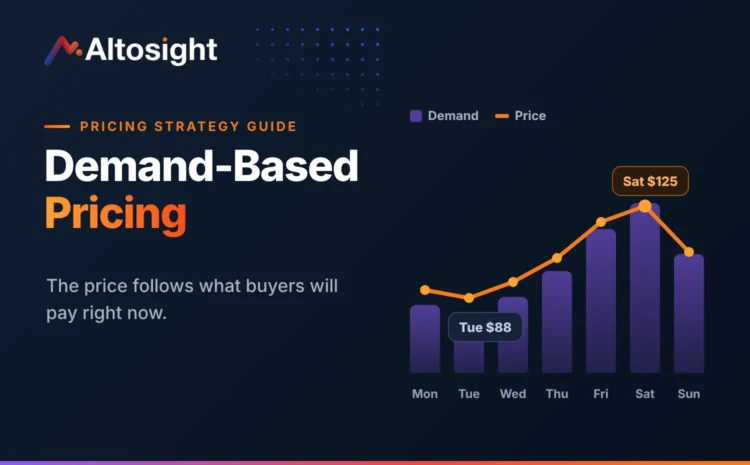
Demand-based (or demand-oriented) pricing sets prices from what buyers will pay now, not from cost. Methods, real examples, pros and cons.

Keystone pricing doubles the wholesale cost: a 100% markup, a 50% margin. Formula, worked examples, triple keystone and a free calculator.

Everyday low pricing (EDLP) keeps prices low and steady instead of running sales. See how it compares with high-low pricing, the pros, cons and examples.

MSRP and RRP are prices a brand suggests. MAP is the lowest price resellers may advertise. How the three differ, how they fit together, and what a brand can enforce.

What MAP pricing means, how a minimum advertised price policy works, where it is legal, what to put in a MAP policy (with a template), and how MAP differs from MSRP and UPP.